
Ingram Cleaners Release Urges Smarter Garment Prep for Better Cleaning Results
Abilene, United States - December 15, 2025 / Ingram Cleaners /
Ingram Cleaners Highlights Best Practices for Preparing Garments Before Dry Cleaning
New Ingram Cleaners Release Urges Smarter Garment Prep for Better Cleaning Results
Summary
Ingram Cleaners announces guidelines to help customers prepare garments before dry cleaning, ensuring clearer communication, safer care, and improved results.
Alternative Summary
A new release from Ingram Cleaners outlines key steps customers should take before dry cleaning, helping enhance stain removal, protection, and service accuracy.
Ingram Cleaners Issues Guidance on Proper Garment Preparation for Optimal Dry-Cleaning Results
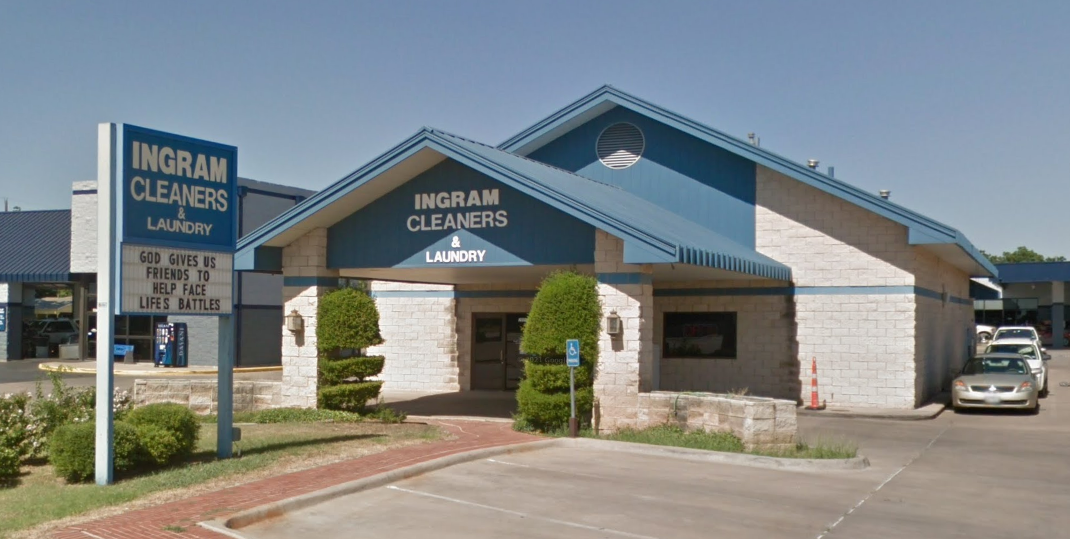
Ingram Cleaners, a trusted dry-cleaning provider serving Abilene, Texas for more than 70 years, has released a comprehensive set of recommendations to help customers properly prepare clothing before drop-off. While technology and modern cleaning methods continue to advance, the company emphasizes that customer preparation remains essential in ensuring the safest and most effective cleaning outcomes. Without context or clear instructions, important details may be missed, potentially affecting results or turnaround time. According to Ingram Cleaners, a brief garment check by customers significantly improves communication, reduces errors, and enhances overall service.
Reading Care Labels: A Critical First Step
Ingram Cleaners stresses the importance of reviewing garment care labels before bringing items in for professional cleaning. These labels provide crucial direction on how the fabric should be treated, including whether the item should undergo dry cleaning, wet cleaning, or handwashing. Understanding care symbols helps prevent fabric damage and ensures the most appropriate cleaning method is used.
How to Interpret Care Labels
Ingram Cleaners outlines several key label elements customers should pay attention to:
Symbols Matter
A circle signifies that an item is safe for dry cleaning, while a crossed-out circle indicates it should not be dry cleaned. A tub icon represents machine or handwashing, with dots inside showing recommended water temperature.Fabric Content Is Important
Fabrics such as silk, wool, and leather require specialized handling due to their sensitivity to solvents or steam. These materials should always be identified for the cleaning team.Additional Notes Provide Key Instructions
Phrases such as “low heat only” or “use a pressing cloth when ironing” help cleaners apply the correct temperature and finishing techniques.Blended Fabrics Require Special Consideration
Garments made of fiber blends like silk-wool or cotton-polyester may require tailored solvent selection. Cleaners may choose traditional tetrachloroethylene or an eco-friendly alternative depending on the fabric mix.
Ingram Cleaners notes that simply reviewing these labels helps prolong garment life and ensures each item receives the proper treatment.
Identifying Stains and Problem Areas Before Drop-Off
While Ingram Cleaners’ professionals bring extensive expertise to stain removal, they rely on customers to point out stains and provide context before cleaning takes place. Understanding the cause and age of a stain allows specialists to select the safest and most effective solution.
How Customers Can Help Achieve Better Stain Removal
The company recommends several steps for ensuring stains are treated correctly:
Be specific about the cause – Identifying whether a stain is wine, ink, grease, makeup, or another substance helps determine the correct agent.
Mark stains discreetly – Using a small safety pin or note near the area keeps cleaners from overlooking small or faint spots.
Avoid home remedies – Substances like vinegar, soda, or detergent may set stains or interfere with professional cleaning processes.
Disclose previous treatment attempts – Cleaners can adjust temperature or solvent strength if prior cleaning efforts may affect the fabric.
Point out delicate fabrics – Materials such as linen or silk may require gentle solvents like hydrocarbon instead of standard cleaning chemicals.
According to Ingram Cleaners, this collaboration ensures that stains are removed safely without risking damage to the garment.
Emptying Pockets and Unbuttoning Garments Prevents Damage
Ingram Cleaners reminds customers to check all pockets and unfasten all closures before bringing in clothing. Items such as coins, pens, or receipts can damage machines or cause stains, while buttoned garments may experience unnecessary stress during cleaning and pressing.
Pocket and Closure Preparation Checklist
Ingram Cleaners recommends:
Checking every pocket and hidden compartment – Even small items can tear fabric or break equipment.
Unbuttoning shirts, jackets, and outerwear – Reduces strain on buttonholes and allows pressing equipment to operate uniformly.
Removing accessories – Belts, pins, and decorative items may melt, warp, or stain in heat or solvent environments.
Inspecting zippers – Ensuring smooth movement prevents snagging during cleaning.
Shaking out pockets – Eliminates crumbs or debris that may embed into fabrics during cleaning.
The company emphasizes that these small steps help protect both garments and equipment while producing cleaner, sharper results.
Communicating Special Requests Leads to Customized Care
Ingram Cleaners encourages customers with specific needs—such as no starch, light pressing, or air drying—to communicate these requests up front. Providing clear instructions allows cleaners to personalize services and maintain customer satisfaction.
How to Convey Special Instructions Effectively
The company advises:
Be polite and clear – Direct notes like “light press only” or “no starch” ensure correct handling.
Write instructions down – Especially useful for large orders or multiple fabric types.
Identify special fabrics – Items containing sequins, embroidery, or leather trim may require alternative cleaning methods.
Request eco-friendly solutions – Customers can inquire about options such as hydrocarbon or siloxane to replace traditional solvents.
Specify desired finishing touches – Techniques like gentle steaming or light ironing can be applied based on preference.
Ingram Cleaners notes that thorough communication results in garments that better match customers’ comfort, fit, and style expectations.
Ingram Cleaners Encourages Customers to Schedule Free Pickup and Delivery
In its announcement, Ingram Cleaners also highlights the availability of its Free Pickup and Delivery Service, designed to make garment care more convenient for customers. The service brings professional dry cleaning directly to customers’ homes or workplaces, supported by decades of trusted experience in Abilene.
Customers are encouraged not to wait until clothing supplies run low. Instead, they can schedule service at their convenience and enjoy expertly cleaned and pressed garments without disrupting their routines.

Ingram Cleaners – Serving Abilene Since 1950
For more than 70 years, Ingram Cleaners has provided reliable, high-quality garment care for the Abilene community.
Locations:
Buffalo Gap: 2666 Buffalo Gap Rd., Abilene, TX, 79605 | 325-698-0190
Treadaway: 1514 S. Treadaway Blvd., Abilene, TX, 79602 | 325-770-1026
Customers can schedule Free Pickup and Delivery anytime through the company’s online booking system.


Contact Information:
Ingram Cleaners
2666 Buffalo Gap Road
Abilene, TX 79605
United States
Lynn Ingram
(325) 698-0190
https://www.ingramcleaners.com/


Original Source: https://ingramcleaners.com/how-to-prepare-your-clothes-before-taking-them-to-the-dry-cleaner/

